A vascular ultrasound checks how blood is flowing through your arteries and veins. It is ordered for a wide range of reasons, from a swollen leg to concerns about stroke risk, and it involves no needles and no radiation. If you have been referred for one, this guide explains the main types and what the appointment is like.
Quick Facts: Vascular Ultrasound
Vascular ultrasound is non-invasive and uses sound waves, not radiation. It requires a requisition. No fasting or special preparation is needed for most exams, but follow any instructions given when you book. Sudden stroke symptoms or a sudden painful, swollen leg with chest pain or shortness of breath are emergencies, not reasons to wait for an appointment.
What a Vascular Ultrasound Checks
The test uses sound waves to show blood flow in real time and to detect narrowing, blockages and clots. Doctors use it to evaluate poor circulation, blood clots, swelling and pain, to monitor known vascular disease and to assess blood vessels before or after surgery. The type of scan depends on the clinical question and the part of the body being checked.
Carotid Ultrasound
The carotid arteries run up each side of the neck and carry blood to the brain. A carotid ultrasound looks for plaque buildup and narrowing that can raise the risk of stroke. For this exam, avoid high-necked clothing and wear no jewelry around the neck.
Leg and Arm Vein Scans
Vein scans are used to detect blood clots, including deep vein thrombosis (DVT), and to assess how well the veins are working. Doctors order them for leg swelling, pain, or signs of venous insufficiency, where the vein valves do not work properly and blood pools in the legs. They are also used to evaluate varicose veins.
Arterial Scans of the Arms and Legs
Arterial scans measure blood flow in the arteries of the arms and legs to find narrowing or blockages that may cause pain or reduced circulation. They help diagnose conditions such as peripheral artery disease, which your doctor can discuss with you if you have symptoms.
What the Exam Is Like
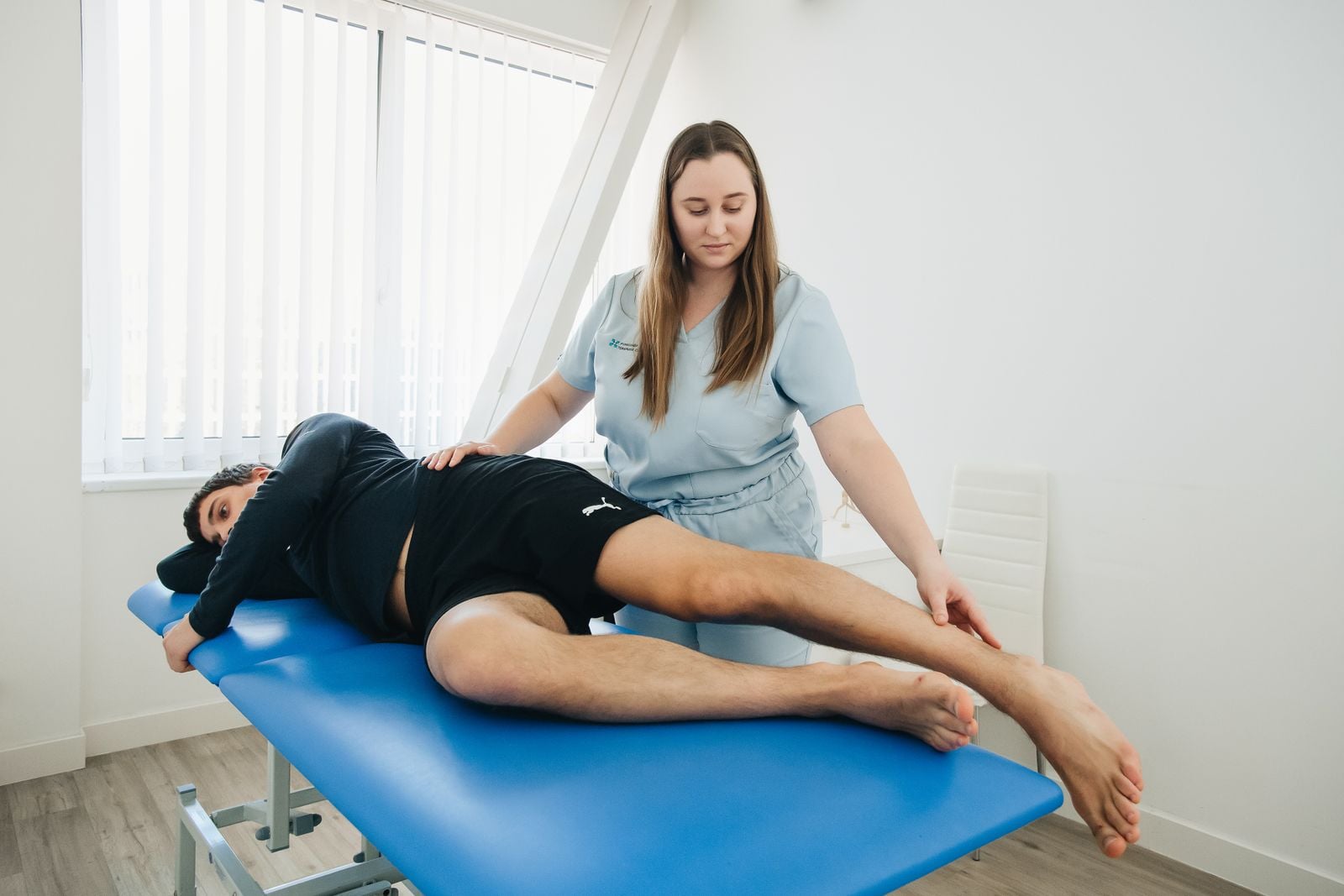
You will lie comfortably on an exam table. The technologist applies gel and moves a handheld probe over the skin, sometimes using gentle pressure to assess blood flow. The exam is painless and done in real time. Wear loose clothing that gives easy access to the arms or legs, avoid lotions and creams on the area being examined, continue your medications unless told otherwise, and arrive 10 to 15 minutes early.
When to Seek Urgent Care
A scheduled ultrasound is not the right route for an emergency. Call 911 or go to the nearest emergency department for sudden facial drooping, arm weakness or trouble speaking, or if a swollen, painful leg comes with chest pain or shortness of breath. The Heart and Stroke Foundation lists the signs of stroke. For more on circulation and heart testing, see our guide to heart health testing, or visit the vascular ultrasound page.
Vascular Ultrasound FAQs
Do I need to fast for a vascular ultrasound? No special preparation is needed for most exams. Follow any instructions you are given when you book.
Is a vascular ultrasound painful? No. It is painless, and the technologist may use gentle pressure to assess blood flow.
How is it different from an echocardiogram? A vascular ultrasound looks at blood flow in arteries and veins, such as the carotid arteries in the neck or the veins in the legs. An echocardiogram looks at the heart itself. Our guide to heart health testing explains the difference.