The most common reason an imaging appointment gets rescheduled is not a machine breakdown or a staffing shortage. It is preparation. Someone ate breakfast before an abdominal ultrasound, arrived for a pelvic scan with an empty bladder, or took their calcium supplement the morning of a bone density test. None of this is the patient’s fault, because instructions get given quickly at booking or written on a slip of paper that disappears into a coat pocket for three weeks. So we have put everything in one place, covering how to prepare for an ultrasound, an X-ray, a mammogram, a bone density scan and a FibroScan.
One rule before the specifics: if the instructions we gave you when you booked differ from anything below, follow the instructions we gave you. Protocols occasionally change, and some exams are modified based on what your doctor is looking for.
Quick Facts: Preparing for Your Exam
Bring your Ontario health card and your requisition to every appointment. Abdominal ultrasound requires fasting from midnight. Pelvic, obstetric and kidney or bladder ultrasound require a full bladder, achieved by drinking one litre of water finished one hour before. Mammography requires no deodorant, lotion or powder on the day. Bone density scans require no calcium supplements for 24 hours. FibroScan requires a three-hour fast. X-ray is walk-in and needs no preparation beyond avoiding metal.
What Everyone Needs to Bring
Regardless of which exam you are having, bring the following.
Your Ontario health card, every time, even if you were here last month.
Your requisition, the form your doctor or nurse practitioner completed. Since July 2023, nurse practitioners in Ontario can order X-rays, ultrasound, CT and MRI as OHIP-insured services, so an NP requisition is entirely valid, as confirmed in the Ministry of Health OHIP bulletin. The one exception to needing a requisition at all is an OBSP screening mammogram for ages 40 to 74, where your health card alone is enough.
A list of your current medications, particularly if you have kidney disease or diabetes.
Prior imaging if it was done at another facility, because comparison studies genuinely change how a radiologist reads yours.
Please arrive about 10 minutes early. If you need an interpreter, mobility assistance, or a support person in the room with you, tell us when you book rather than on the day, because most accommodations are straightforward if we know in advance. If you cannot make your appointment, please call. Around 48 hours’ notice lets us give the slot to someone else.
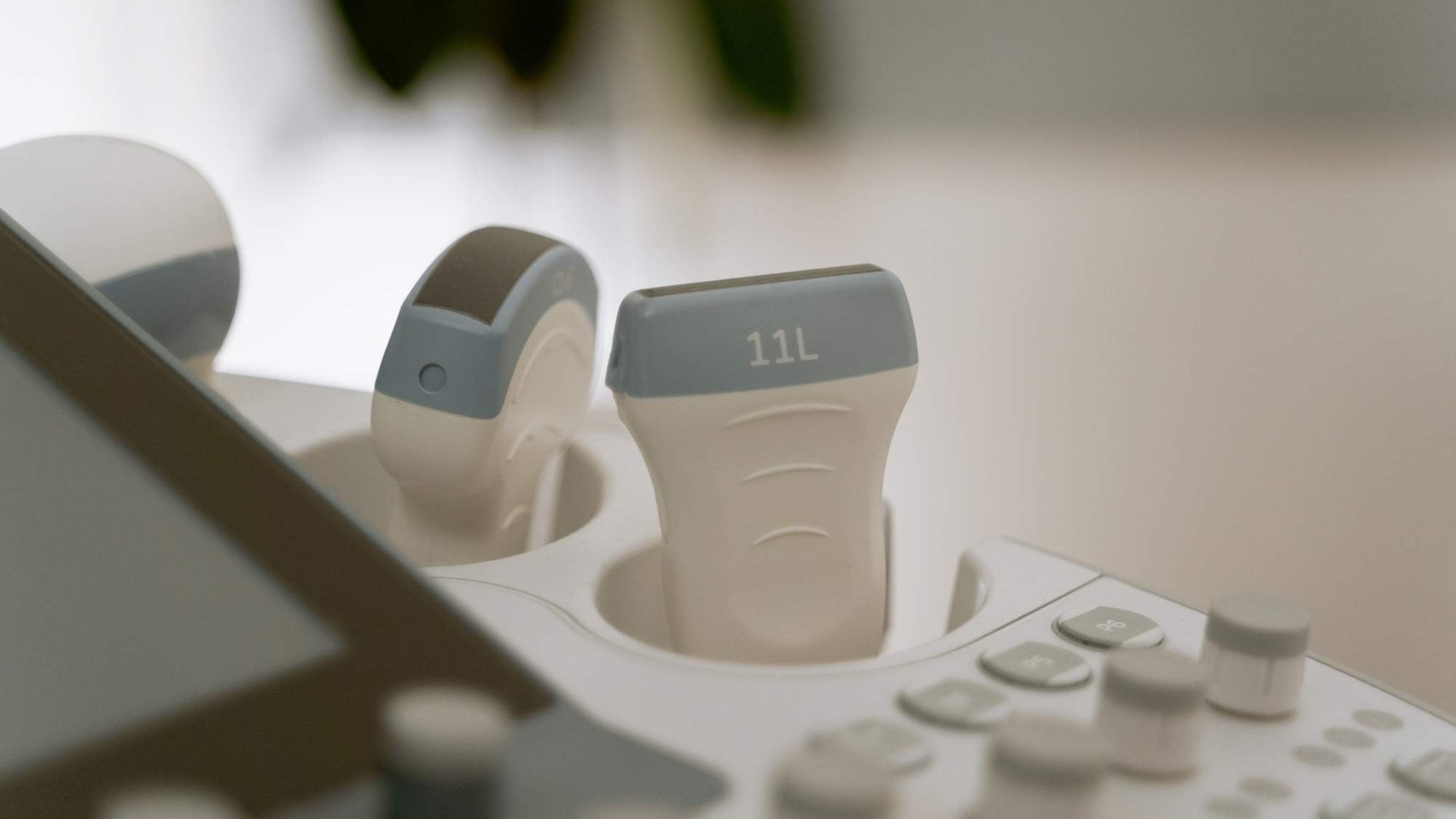
Fasting keeps the gallbladder visible and reduces bowel gas, which is the biggest obstacle to a clear abdominal image.
How to Prepare for an Ultrasound of the Abdomen
Do not eat or drink anything from midnight the night before. You may take necessary medications with a small sip of water.
The reason is the gallbladder. It is a small sac that stores bile and empties when you eat. On an empty stomach it is distended and clearly visible; after a meal it collapses and becomes very difficult to assess. Fasting also reduces gas in the bowel, and gas scatters sound waves, making it the single biggest obstacle to a clear abdominal image.
If you are diabetic, please call us before your appointment so we can arrange a scheduling and fasting plan that is safe for you. Do not simply skip meals and medication without checking first.
Pelvic, Obstetric and Kidney Ultrasound: The Full Bladder
Drink one litre of water and finish it one hour before your appointment. Do not empty your bladder after that. This applies to transabdominal pelvic scans, kidney and bladder scans, and obstetric scans before roughly 35 weeks.
A full bladder does two useful things. It pushes loops of bowel, and the gas inside them, up and out of the way. It also acts as an acoustic window, giving the sound waves a clear fluid-filled path to the organs behind it.
We know that holding a litre of water for an hour is unpleasant. If you arrive and genuinely cannot wait, tell the technologist rather than emptying your bladder, because we can sometimes scan sooner.
After about 35 weeks of pregnancy, no bladder preparation is needed, as there is plenty of amniotic fluid to image through.
Two timing notes specific to Ontario. The nuchal translucency (NT) scan must be performed between 11 weeks 2 days and 13 weeks 6 days, and Enhanced First Trimester Screening runs from 11+2 to 13+3. These windows are narrow and not flexible, so book as soon as you have the requisition. The anatomy scan is usually arranged in the second trimester, commonly around 18 to 20 weeks, and your provider will confirm the timing.
Transvaginal Ultrasound
Empty your bladder immediately before, which is the opposite of the transabdominal instruction.
This exam uses a slim transducer, covered and lubricated, inserted about two to three inches into the vagina. Because it sits much closer to the uterus and ovaries, it produces considerably more detail than a scan through the abdominal wall, which is why it is standard for assessing the endometrium, early pregnancy and ovarian findings. Most people describe it as more comfortable than a routine gynaecological exam, and you can ask for a chaperone.
Often both exams are done in one visit: transabdominal with a full bladder first, then you empty it and we complete the transvaginal portion.
Musculoskeletal and Vascular Ultrasound
Musculoskeletal ultrasound of the shoulder, knee, elbow, wrist or hip requires no preparation. Eat normally and take your medications. Wear something that gives easy access to the area, such as a t-shirt for a shoulder or shorts for a knee, and avoid anything with a tight cuff over the joint.
Carotid, leg venous (DVT) and peripheral arterial studies require no preparation. Wear loose clothing and leave jewellery at home.
Abdominal aorta, renal artery and mesenteric studies are different. These look at vessels deep in the abdomen, so the same gas problem applies and fasting is usually required. Please confirm the exact fasting window with us when you book, as it varies by protocol. See our vascular ultrasound service for more detail.
X-Ray: Walk In, No Appointment
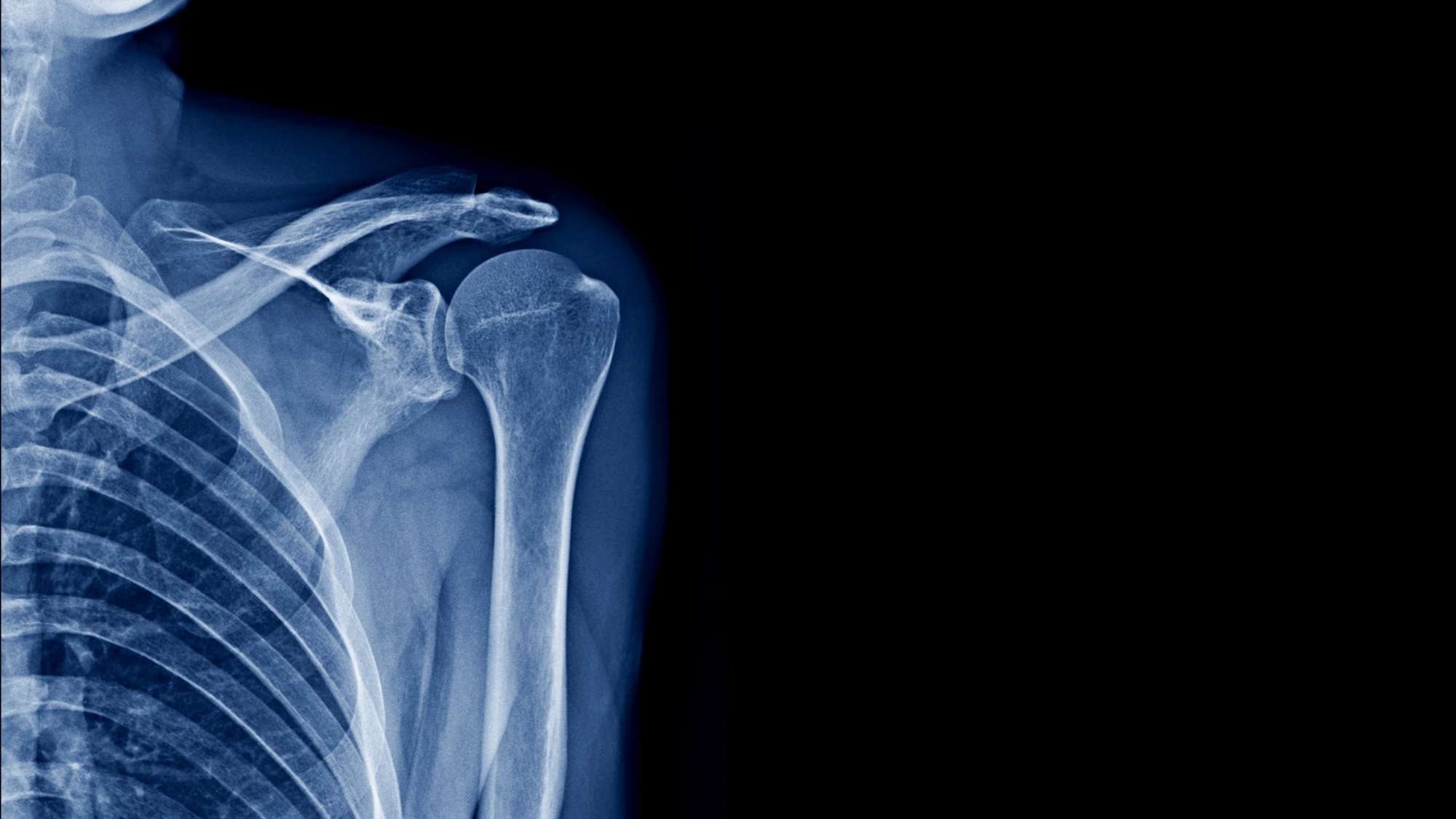
X-ray is the simplest exam we do and the only one that does not need an appointment.
Wear something without metal near the area being imaged. Zippers, underwire bras, belt buckles, snaps and studded jeans all show up on the image. Sweatpants and a plain cotton t-shirt are ideal, and you may be asked to change into a gown. Remove jewellery, hairpins, eyeglasses and removable dental appliances as directed.
Tell us if you are or might be pregnant. We will either postpone, use a different test, or take specific steps to shield and minimize exposure. This is not a question we ask to be intrusive.
Most X-ray exams take five to ten minutes. For dose context, a chest X-ray is roughly 0.1 mSv, about ten days’ worth of the natural background radiation everyone absorbs from soil, air and cosmic rays. An extremity film is considerably less.
Walk-in X-ray hours in King City are Monday to Friday from 9:00 a.m. to 5:00 p.m., and Saturday from 9:00 a.m. to 4:00 p.m. Bring your requisition and health card.
Mammography: Why the Deodorant Rule Exists
Do not apply deodorant, antiperspirant, body lotion or talcum powder on the day of your exam.
This is the single most-ignored instruction in diagnostic imaging, and there is a real reason for it. Many of these products contain metallic particles, such as the aluminium salts in antiperspirant, which appear on a mammogram as tiny bright specks. Those specks look very much like microcalcifications, which are one of the earliest signs of breast cancer. A radiologist who cannot be certain whether a fleck is on your skin or inside your breast has to call you back. If you forget, tell the technologist, as we can usually clean the area and proceed.
Also wear a two-piece outfit, since you undress from the waist up. Book for a week when your breasts are not tender, which for many people is about a week after their period ends. Bring prior mammograms if they were done elsewhere, and tell us about implants when you book, since that means a different positioning technique and a longer appointment.
The exam takes about 15 minutes, with four images and roughly 10 to 15 seconds of compression each. More detail is available in our guide to the Ontario Breast Screening Program.
Bone Density (BMD/DEXA): Two Rules That Catch People Out
No calcium supplements for at least 24 hours before your scan. An undissolved calcium tablet sitting in your digestive tract lies directly in the path of the lumbar spine measurement and can artificially inflate the reading. Dietary calcium such as milk, cheese and yogurt is not the issue; supplements are. Osteoporosis Canada publishes further guidance on bone health. Keep taking your other medications normally.
Wait 10 to 14 days after any barium study or contrast injection, including a CT with contrast or a nuclear medicine scan, because residual contrast material will corrupt the measurement. If you have had one recently, call us to reschedule rather than showing up.
Otherwise, wear loose clothing with no metal zippers, belts, buttons or snaps, and you may be able to stay in your own clothes. Remove jewellery and anything metallic from your pockets.
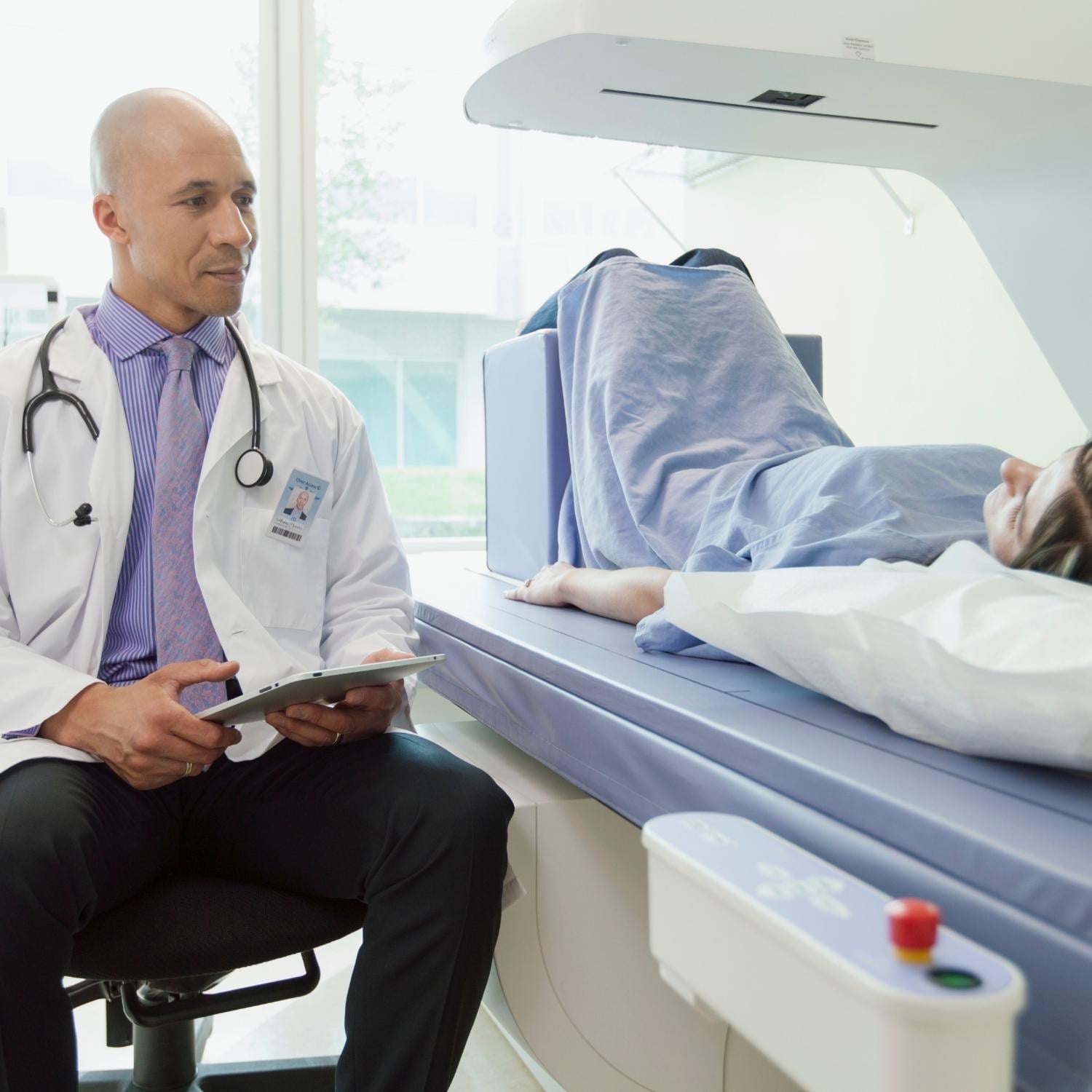
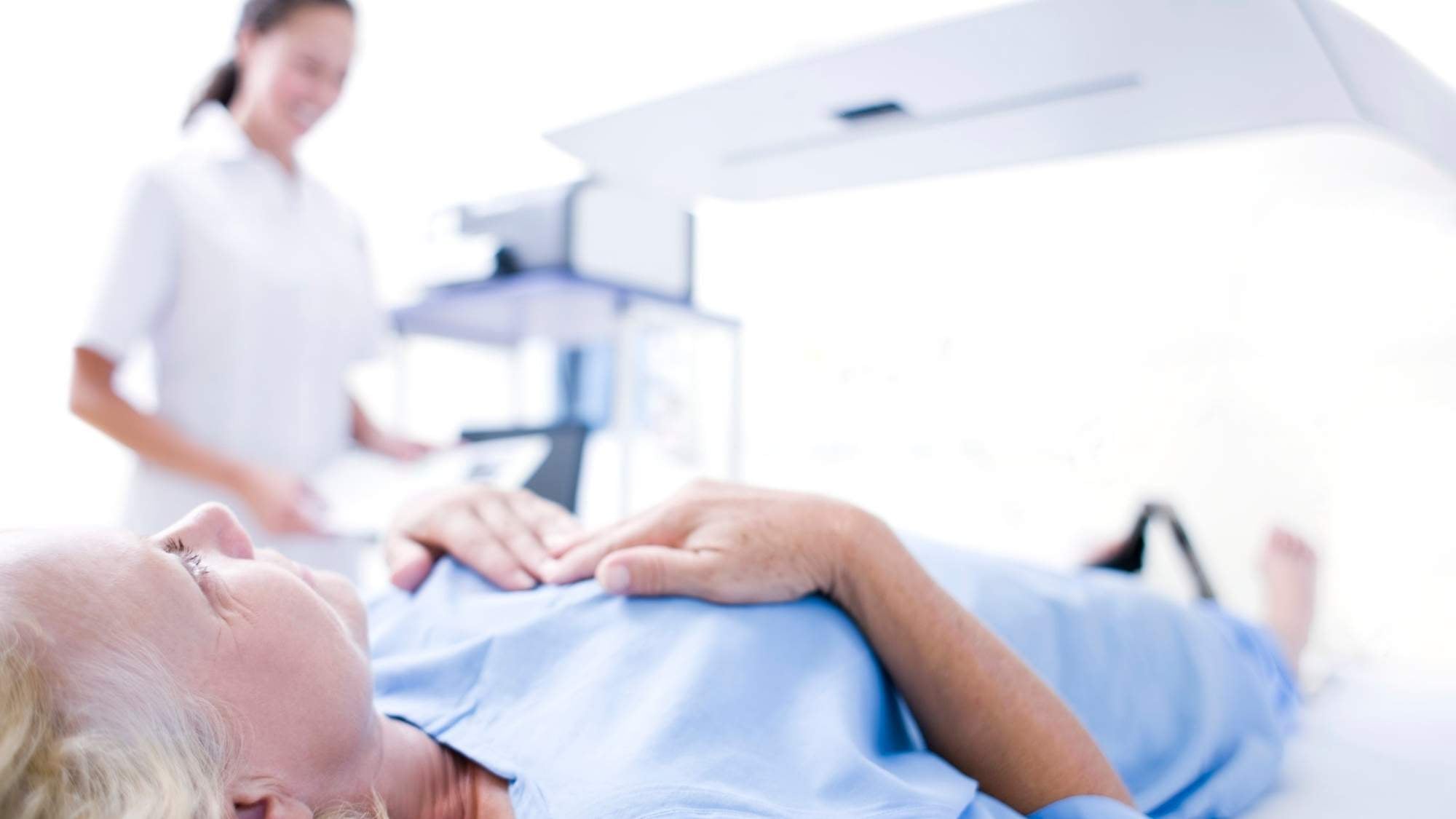
The scan takes 10 to 30 minutes. You lie on a padded table while a scanning arm passes over your lower spine and one hip. Nothing touches you and nothing encloses you, so this is not an MRI tube. Radiation dose is around 0.001 mSv, less than a tenth of a chest X-ray. One practical note: repeat scans should be done on the same machine at the same clinic where possible, because small calibration differences between machines can look like real bone loss when they are not. See our bone density service.
FibroScan and Echocardiogram
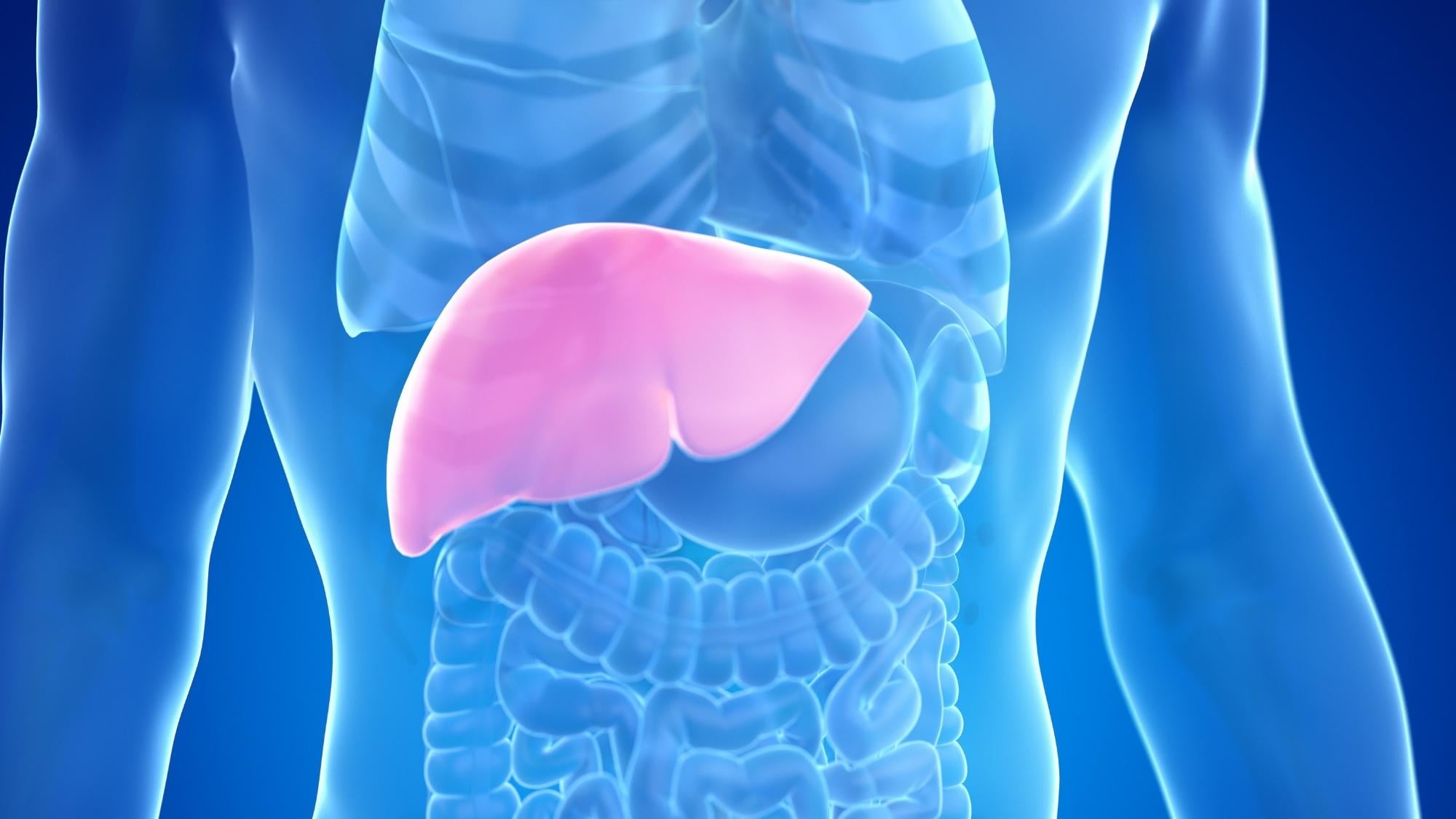
FibroScan (liver elastography): fast for at least three hours before your appointment, water only during that window. FibroScan measures liver stiffness and fat content using a probe placed between your ribs on the right side, and fasting keeps the measurement accurate. Wear something that gives easy access to the right side of your rib cage. The exam takes five to ten minutes, involves no needles, no radiation and no sedation, and feels like a series of light flicks against the skin. It is safe during pregnancy and safe for patients with pacemakers and other active implantable devices. See our FibroScan service.
Echocardiogram: no preparation for a standard resting echo. Eat, drink and take your usual medications as normal unless your physician tells you otherwise. You will remove clothing from the waist up and wear a front-opening gown, ECG electrodes are placed on your chest, and you lie on your left side while the sonographer images your heart. Allow about 45 minutes. There are no restrictions afterwards. If you have been booked for a stress echocardiogram, that is a different protocol with medication and caffeine restrictions, and you will be given specific instructions. See our cardiology service.
Common Preparation Questions
How many hours do I fast for a FibroScan?
At least three. Water is fine during that time.
Can I drink milk before a bone density test?
Yes. Dietary calcium is not a problem. The restriction is on calcium supplements, which should stop 24 hours before.
How much water do I drink before a pelvic ultrasound?
One litre, finished one hour before your appointment, and do not empty your bladder afterwards.
Can I take my medications before a fasting exam?
Yes, with a small sip of water. If you are diabetic or on medication that must be taken with food, call us first so we can schedule you appropriately.
Do I need an appointment for an X-ray?
No. X-ray is walk-in during our posted hours. Everything else is by appointment.
Can I have a mammogram and a bone density scan in the same visit?
Often yes, and it saves you a trip. Ask when you book and we will try to schedule them back to back.
What if I am pregnant or might be?
Tell us before any exam involving radiation, meaning X-ray, mammography and bone density. Ultrasound and FibroScan use no radiation and are safe in pregnancy.
How long does a bone density test take?
About 10 to 30 minutes, including positioning.
Booking and Hours
King City Diagnostic Imaging is at Unit 1, Building H, 1700 King Road, King City, with free parking directly outside.
Walk-in X-ray runs Monday to Friday from 9:00 a.m. to 5:00 p.m. and Saturday from 9:00 a.m. to 4:00 p.m. All other exams are by appointment, Monday to Friday from 8:30 a.m. to 5:30 p.m. and Saturday from 8:30 a.m. to 5:00 p.m. We are closed on statutory holidays.
Same-day appointments are frequently available, and most bookings happen within one to two business days. You can book online or contact us with any preparation questions. To see everything we offer, visit our services page.